
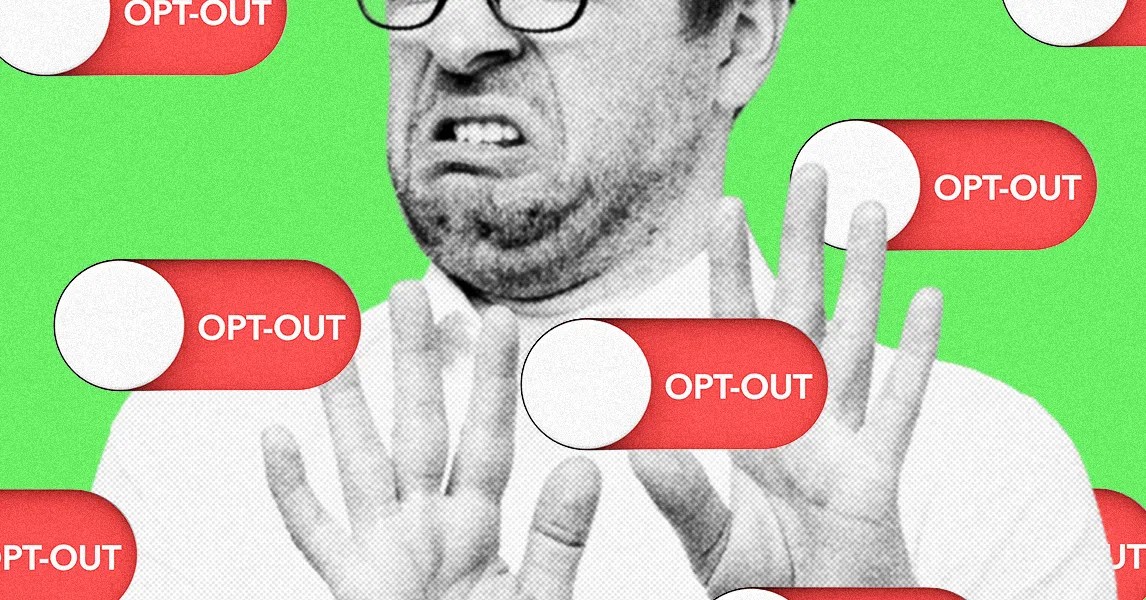
It’s July. Meta dropped a bomb. Anyone using their new AI app could tag Instagram accounts, generating images from those users’ likenesses. The catch? It was on by default. Users had to fight to opt out.
Bad idea.
Creators exploded. Videos explaining how to turn it off went viral. Sam Sooin Yang summed it up for millions of viewers: why push AI on us if we don’t want it? We didn’t ask for this. We just wanted to post photos.
Meta backed down after three days. Three. They admitted the feature “missed the mark.” A record low lifespan for a tech rollout, honestly. Thorin Klosowski at the Electronic Frontier Foundation called the backlash immediate and great. Swift justice for digital rights? Maybe. Or maybe just panic.
“This feature missed the mark,” Meta said, rolling it back faster than most trends expire.
I’ve been living in the opt-out trenches longer. Turned off “Ask Gemini” in Google Docs recently. It popped up uninvited. I dug through settings, my blood pressure rising. This isn’t unique. I do this ritual on Dropbox, LinkedIn, Facebook. It is exhausting.
Ben Winters calls it the “opt-out status quo.” Meta? They’re the kings of this mess. They built a world where privacy is a scavenger hunt. Remember Facebook’s “Enhanced Browsing”? Tracked every site you visited. You had to know to turn it off. Most didn’t.
Meta defends this. Spokesperson Daniel Roberts wrote a nice email about giving users control. About research. About TTC Labs. Nice words.
Reality is different. Woodrow Hartzog at Boston University points out a simple truth: defaults win. People stick with the preset. If the preset is “opt-in,” you are opted-in. Period. You’re too tired. Or too busy. Or both.
Europe figured this out. GDPR Article 25 demands “privacy by design.” Collect only what you need. Pre-select the most protective option. It sounds basic. It should be the law everywhere.
Instead, we have scattered state laws. California tries. Maryland tries. The rest? A wild west of toggle switches. It feels personal, like it’s my fault for missing that menu item. Like I need to solve limericks to secure my data. I shouldn’t.
Winters sees this as a federal issue. Governments should step in when companies go abusive at scale. Past attempts failed. He remains hopeful. Public anger is building.
Design choices matter. Tech isn’t neutral. Saying “it’s just a tool” is an excuse. It hides the consequences. If you design a tool for deepfakes and opt millions in, deepfakes happen. It’s inevitable.
We are being forced to consent to realities we don’t want.
Is this what we want? A world where opting out of your own face is the baseline?