I started vaping earlier this year. Not the medical kind. Not the regulated kind. I picked up flavored sticks from China’s so-called “Vape Valley.” They were cheap. They tasted like candy. And they were likely illegal.
You see, flavored nicotine vapes are technically banned in the US. Yet convenience stores and tobacco shops rack up billions in sales every year. The FDA tries to stop them. Law enforcement makes seizures. But the product keeps flowing.
Now, it’s getting worse.
Chinese manufacturers have found a new loophole. A sneaky one. They stopped using synthetic nicotine. Congress closed that door in 2022 by expanding regulations to include non-tobacco-derived nicotine. So these companies went darker. They switched to nicotine analogs.
What Are Nicotine Analogs and Why Are They Dangerous?
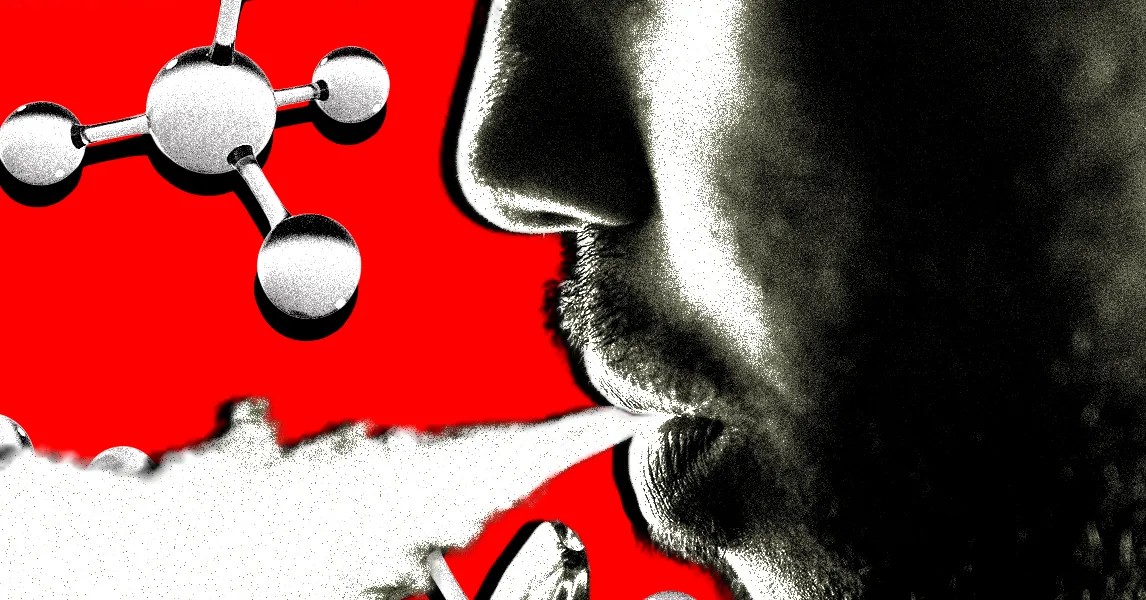
Nicotine analogs are chemical cousins of nicotine. They mimic the effects. They hit the same receptors. But they are structurally different enough to bypass federal tobacco rules.
Because the law narrowly defines “nicotine,” these analogs don’t require pre-market scientific review by the FDA. No review. No oversight. Just shelves full of disposable vapes.
“This is just like whack-a-mole,” says Robert Jackler, emeritus professor at Stanford University. “These companies will do everything they can to circumvent Regulation.”
One analog, 6-methyl-nicotine, has gained traction. Animal studies suggest it might be more potent than regular nicotine. More addictive. We don’t know for sure what it does to humans yet. The data is thin. The risk is high.
It gets creepier.
A 2024 study revealed that some of these vapes contain unlabeled ingredients. Artificial sweeteners. Cooling agents with unknown inhalation risks. The label is a lie.
“What’s on the label has very little relation to what’s in it,” Jackler says.
How Did Big Tobacco Miss This For Decades?
Here is the irony. Big Tobacco studied these chemicals for decades. Internal documents from 2005 showed tobacco giants explored nicotine-like compounds back in the 1970s. They knew they could use them to dodge regulation.
But US companies never marketed them. They stuck to traditional nicotine.
Instead, Chinese manufacturers picked up the baton. They are, as Rich Marianos of the Tobacco Law Enforcement Network puts it, “extremely creative.” “Extremely smart.”
They flood the market with illegal products designed to target kids. They sell fake nicotine. They sell dangerous chemistry.
Senator Tim Sheehy (R-MT) called it out in a statement to WIRED. He claimed the Trump administration made cracking down on unregulated Chinese products a priority.
“The Chinese have been flooding the American market with illegal vibe products… These fake nicotine products appear to be a a new scheme to trick American consumers.”
But Jackler sees a different reality on the ground.
He notes that the administration effectively dismantled the CDC office responsible for tobacco prevention. The FDA’s Center for Tobacco Products saw its size reduced significantly. The federal net has holes.
So the job falls to the states.
Which States Are Regulating Nicotine Analogs?
Only a handful are trying.
Jackler identifies four states that have expanded their tobacco product definitions to include nicotine-like chemicals:
– California
– Nebraska
– Indiana
– Tennessee
That’s it. No comprehensive federal law exists to treat these substances like tobacco-derived or synthetic nicotine. The rest of the country is waiting.
Meanwhile, the vapes keep coming.
They are potent. They are untested. They are everywhere.
And nobody really knows what happens when you inhale them for three years. Or ten.
The labels don’t help. The regulators are tired. And the next flavor is probably already in the mail.